Beginner's guide
What to expect at your first run club
Nervous about your first group run? What to wear, what to bring, how pacing works, basic etiquette, and why nobody cares how fast you are.
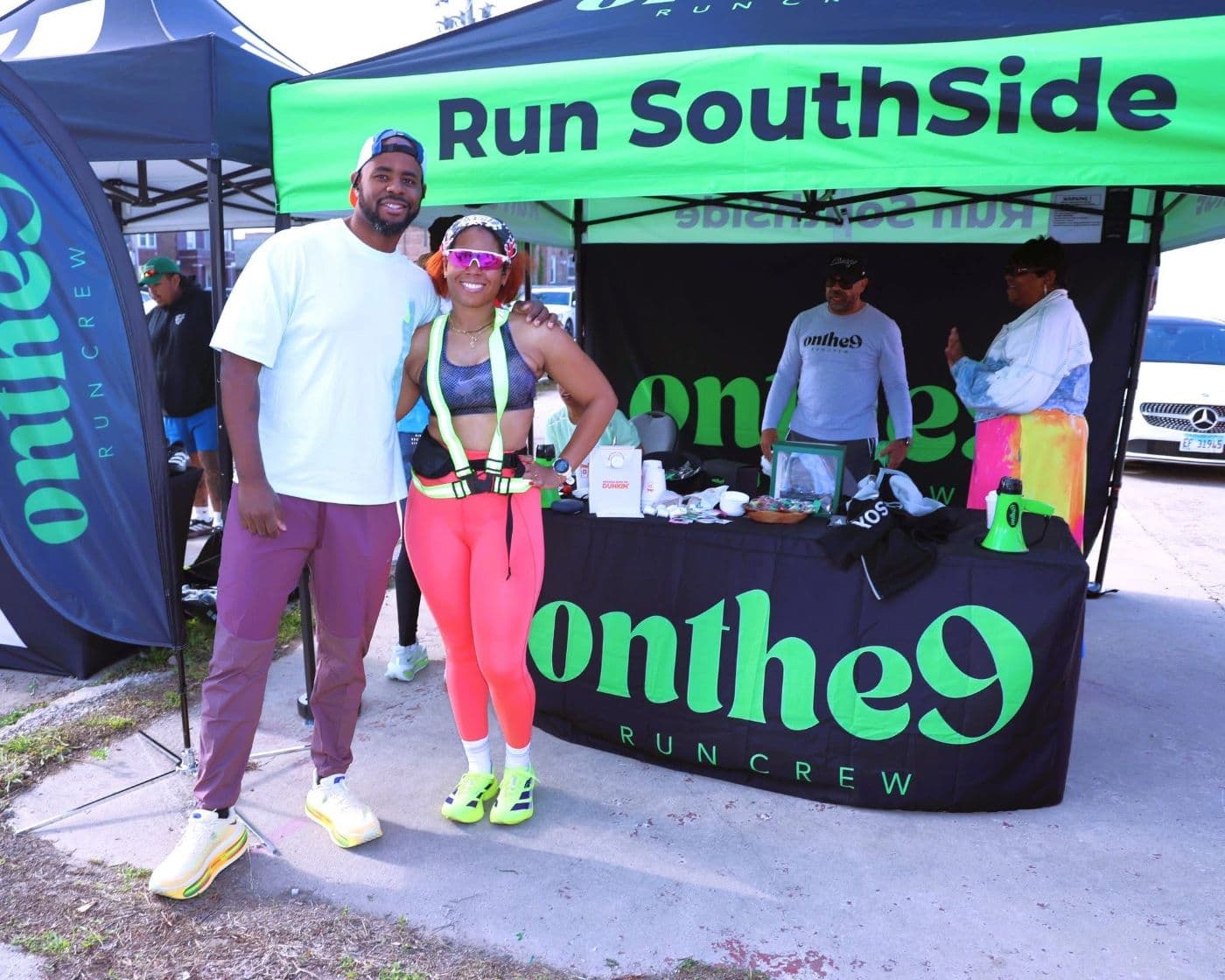
Most people put off their first run club for weeks. They worry they're too slow, that everyone already knows each other, or that they'll get lost halfway through. Every one of those worries is normal, and every run club has seen it before. Here's what usually happens and how to make the first one easy.
Before you go
Find the details. Most clubs post each run with a start time, a meeting spot and a distance. Many use Strava events or Instagram posts. RSVP if there's an option. It tells the organizer to expect you.
Plan to arrive 10 to 15 minutes early. That gives you time to park, find the group and introduce yourself before the start.
Check the weather an hour before. Chicago can swing 15 degrees between your front door and the lakefront.
What to wear and bring
- Shoes you've already run in. Race day and first-run day are both bad times to test new shoes.
- Layers you can take off. Dress for how you'll feel a mile in, not how you feel standing still. Our winter running guide covers cold mornings.
- Phone, ID and a key. A small belt or a pocket with a zipper keeps them from bouncing.
- Water if it's hot or the run is longer than about 45 minutes.
- Something reflective for early morning or evening runs.
At the start
Find the organizer or run leader and tell them it's your first time. Ask three questions:
- How far is the group going today?
- Is there a shorter option or a turnaround point?
- Does anyone stay at the back?
Most groups do a quick welcome and a route brief before they head out. Listen for where the group regroups, because that's where you'll catch back up if you fall behind.
During the run
Group running has a few simple rules:
- Run no more than two across on sidewalks and trails, and move to single file when people need to pass.
- Call out hazards like potholes, curbs and bikes for the people behind you.
- Stop at red lights. The group will wait.
- Tell someone if you turn back early. Leaders count heads.
- Start slower than you think. Conversational pace means you can talk in full sentences.
Walking is fine. So is stopping to stretch a calf. If the group is no-drop, someone will be with you.
After the run
A lot of run clubs end at a coffee shop, breakfast spot or bar. Go. This is where you actually meet people, and it's the reason most runners come back the next week.
The second visit
Go back at least once more before you decide whether a club is right for you. The second run is easier: you know the start, you know a couple of names, and the group knows you're coming.
If you're in Chicago and still looking, start with our guide to finding a run club in Chicago. If you're on the South Side, OnThe9 runs every Saturday, every pace is welcome, and nobody finishes alone.
Common questions
Can I walk at a run club?
At most clubs, yes. Walk breaks are a normal part of running for beginners and for experienced runners on long runs. Ask the organizer whether the group is no-drop or has a sweep runner.
What should I bring to my first group run?
Your phone, a form of ID, a house key, and water if it's warm or the run is longer than about 45 minutes. Wear shoes you've already run in.
What if I can't keep up?
Tell a leader before you start. Good clubs will point you to a slower group, give you a shorter turnaround, or have someone run with you.